
What is cross-border commerce?
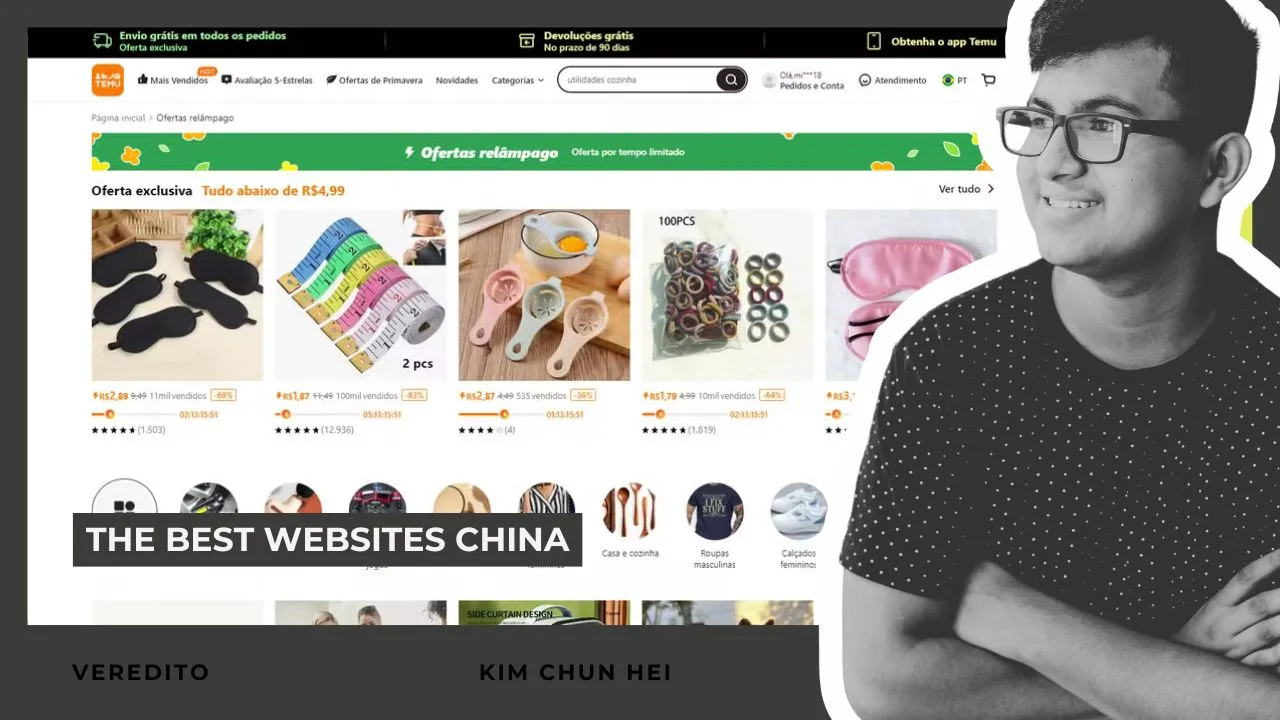
In today’s globalized economy, the concept of cross-border commerce is becoming increasingly relevant for businesses and consumers alike. With the evolution of technology and communication, buying and selling across international borders has never been easier. This article will delve into what cross-border commerce is, its significance, and how businesses and consumers can benefit from it. We will also explore the challenges involved and strategies for successful cross-border transactions.
What is Cross-Border Commerce?
Cross-border commerce refers to any transaction that occurs between consumers and businesses located in different countries. This includes the purchase of goods or services from international retailers, as well as the export and import activities of businesses. The rise of e-commerce has significantly enhanced cross-border trade, allowing consumers to access products and services that may not be readily available in their own countries.
Importance of Cross-Border Commerce
The significance of cross-border commerce can be understood through several dimensions:
- Wider Market Access: Businesses can reach a global audience, increasing their customer base significantly.
- Diverse Product Offerings: Consumers can access products from various countries, often resulting in better prices and options.
- Economic Growth: Cross-border trade can stimulate economic development by creating jobs and fostering competition.
- Innovation: Exposure to international markets encourages businesses to innovate and improve their offerings.
How Cross-Border Commerce Works
While cross-border commerce offers numerous benefits, it also involves a unique set of processes. Understanding how it works is crucial for both businesses and consumers:
1. Purchasing Products
Consumers can shop from international retailers through their websites or online marketplaces. Payment gateways that support multiple currencies facilitate transactions, while shipping logistics handle delivery across borders.
2. Payment Processes
For smooth transactions, businesses often utilize international payment processors. It’s essential to ensure the payment method is secure and acceptable in both the buyer’s and seller’s countries. Accepted methods include credit cards, PayPal, and other regional payment solutions.
3. Customs and Duties
Cross-border commerce often involves navigating customs regulations and duties. This can be a complex process, as each country has its own rules regarding imports and exports. Businesses should inform customers about potential customs fees that may apply upon delivery.
Benefits of Cross-Border Commerce for Businesses
Engaging in cross-border commerce opens up numerous opportunities for businesses:
- Increased Revenue: Access to a broader market can lead to significant revenue growth.
- Brand Exposure: Companies can increase their visibility and brand awareness in international markets.
- Flexibility: Companies can diversify their revenue streams, which can help stabilize income during economic downturns.
- Competitive Advantage: Being able to offer unique products or services not available locally can set a business apart from competitors.
Benefits of Cross-Border Commerce for Consumers
Consumers also reap various benefits by participating in cross-border commerce:
- Better Pricing: Shoppers can often find lower prices on goods and services by purchasing from international retailers.
- Access to Unique Products: Cross-border commerce allows consumers to find unique items that may not be available in their home country.
- Improved Quality: Consumers can choose from a wider range of high-quality products sourced from reputable international brands.
- Enhanced Shopping Experience: Increased options lead to a more satisfying shopping experience as consumers can tailor their choices to their preferences.
Challenges in Cross-Border Commerce
Despite the advantages, businesses and consumers involved in cross-border commerce face various challenges that can complicate transactions:
1. Regulatory Complexities
Each country has its own regulations governing imports and exports, which can lead to complications in compliance.
2. Language Barriers
Language differences can create misunderstandings in product details, terms of service, and customer support.
3. Shipping and Logistics
International shipping can be costly and time-consuming. Delays may occur due to customs clearance or transportation issues.
4. Payment Security
Cross-border transactions can be more susceptible to fraud. It is crucial for businesses and consumers to ensure that their payment methods are secure.
Strategies for Successful Cross-Border Commerce
To effectively navigate the challenges of cross-border commerce, consider the following strategies:
1. Understand Local Regulations
Businesses should conduct thorough research into the laws and regulations of the destination country. This includes knowledge of customs duties, taxes, and import restrictions.
2. Choose the Right Payment Methods
Offering various payment options can enhance the customer experience. Ensure that the chosen payment gateway is secure and widely recognized in both markets.
3. Invest in Logistics Solutions
Partnering with reputable logistics companies can ensure timely and cost-effective delivery. Clear communication about shipping times and potential delays is essential.
4. Localize Your Content
To cater to international consumers, businesses should consider localizing their websites and marketing materials. This includes translating content and adapting it to cultural norms.
Future of Cross-Border Commerce
The landscape of cross-border commerce is continually evolving. With advancements in technology, such as blockchain and AI, the future holds promising potential for enhancing international transactions. Here are some trends shaping the future:
- Increased E-commerce Growth: As more consumers turn to online shopping, businesses must adapt their strategies to engage with a global customer base.
- Improved Technology: Innovations in payment processing and logistics are set to smooth out the complexities of cross-border transactions.
- Sustainability Focus: Consumers are increasingly seeking environmentally friendly options, prompting businesses to adjust their practices.
The rise of cross-border commerce has opened up a world of opportunities for both businesses and consumers. With the right strategies and an understanding of the unique challenges involved, engaging in international trade can be a rewarding experience. Whether you are a small business looking to expand globally or a consumer seeking unique products, cross-border commerce presents an expansive landscape of possibilities.

LINKS:
“`html
Cross-border commerce refers to the buying and selling of goods and services across international borders. With the rise of e-commerce, businesses can access global markets, allowing consumers to shop from anywhere. This form of trade offers opportunities for both small and large enterprises, enabling them to reach new customers and expand their market presence. However, it also comes with challenges such as customs regulations, currency exchange, and logistical issues. Understanding cross-border commerce is essential in today’s globalized economy, as it can significantly impact growth and revenue for businesses willing to venture beyond their local market.
FAQ
What are the benefits of cross-border commerce?
Cross-border commerce offers several benefits including increased market reach, access to diverse customer bases, enhanced brand visibility, and potential cost savings through sourcing international suppliers. Moreover, businesses can adapt to various consumer preferences and trends, which can lead to innovation and improved product offerings.
What challenges do businesses face in cross-border commerce?
Businesses face challenges such as navigating complex customs regulations, dealing with varying tax laws, managing shipping logistics, and handling currency fluctuations. Additionally, they must understand the cultural differences and consumer behaviors in different countries to effectively market their products.
How can I ensure my cross-border transactions are secure?
To ensure secure cross-border transactions, utilize reputable payment gateways that offer encryption and fraud protection. Verify the credibility of suppliers and customers, and consider using escrow services for high-value transactions. Lastly, stay informed about international trade laws and payment regulations.
Is cross-border commerce suitable for small businesses?
Yes, cross-border commerce can be highly advantageous for small businesses. By leveraging e-commerce platforms, small enterprises can reach customers worldwide without significant upfront investments. They can specialize in niche markets and cater to specific consumer demands across borders, thus enhancing their growth potential.
How can I start selling internationally?
To start selling internationally, begin by researching your target market and understanding its regulations. Choose e-commerce platforms that support international sales, ensure your website is optimized for different languages, and consider shipping solutions that cater to international customers. Finally, market your products effectively to raise awareness in your desired markets.
Conclusion
In conclusion, cross-border commerce opens up vast opportunities for businesses looking to expand their reach and tap into new markets. By understanding the benefits and challenges associated with international trade, companies can strategically position themselves to thrive in a global economy. Investing time in research, compliance, and proper logistics will pave the way for successful cross-border transactions, ultimately leading to increased revenue and consumer satisfaction.
“`
Related Post

Are there restrictions on combining promo codes with AliExpress coupons collected from games?
When shopping on AliExpress, many users are eager to save money using various promotional offers. [...]
AliExpress Promo Code That Unlocks Secret Discounts
“`html In today’s digital shopping landscape, finding the best deals can often feel overwhelming. With [...]